


FutureFeed, the CSIRO-backed startup reducing greenhouse gas emissions from cattle, just won US$1m it will use it go get Aboriginal people into farming


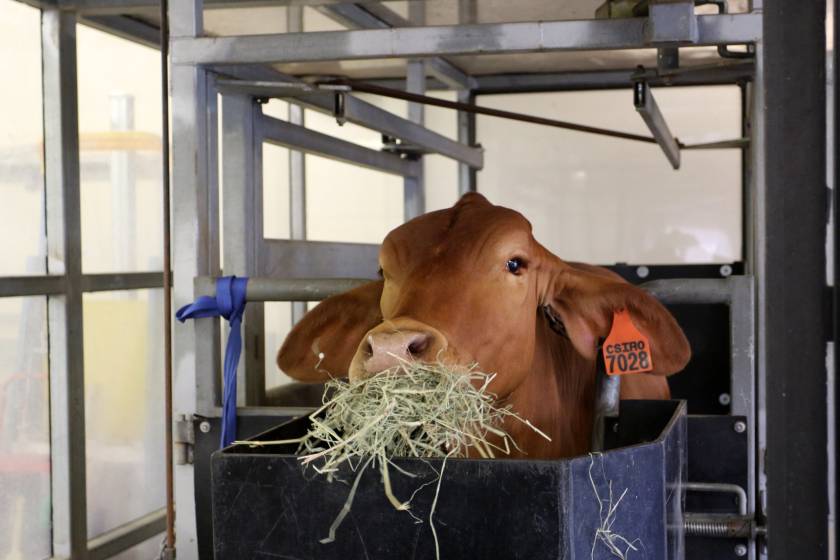

The Food Planet Prize, established by Swedish hospitality entrepreneur Curt Bergfors in 2019, recognises initiatives, organisations and people working on securing the world’s food supply in a sustainable way. FutureFeed was chosen from among 650 nominations as one of the four recipients of a US$1m prize, recognised for the benefits it delivers to the climate and environment, as well as creating a new sector in seaweed farming.
The company was spun out of the CSIRO in August this year after more than five years of trials, having raised AU$13 million in backing from five of the biggest names in agriculture, including GrainCorp and Woolworths.
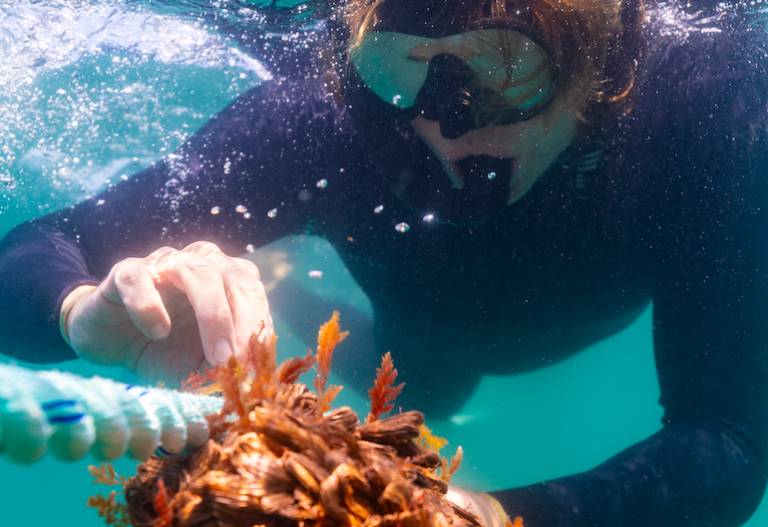
The startup uses the seaweed asparagopsis in feed for dairy and beef cattle and initial trials have found it can reduce methane emissions by more than 80%. Livestock produce up to 18% of total greenhouse gas emissions, mainly as methane caused during digestion.
FutureFeed director Dr Michael Battaglia said the cash prize will in part be used to work with Aboriginal people to achieve the company’s goal of producing the world’s first ultralow-carbon beef and dairy by mid-2021.
“We plan to use part of the prize to establish a fund to enhance the participation of Aboriginal and other first nations people around the world in Asparagopsis supply chains,” he said said.
“Already in Australia we have agreements between the Indigenous Land and Sea Corporation involving the Narrunga Nation Aboriginal peoples, and a seaweed growing company CH4 with the intent to develop commercial scale Asparagopsis cultivation and processing to generate maximum benefit for the Narrunga people.”
FutureFeed’s chief scientist, Dr Rob Kinley, said the remainder of the prize would be used for R&D.
“We now have a solution that is a simple plug and play into existing feeding systems to reduce emissions and help farmers and producers create more food and build new and more sustainable businesses and enterprises,” he said.
The 2020 Food Planet Prize Jury is comprised of world-leading scientists, policymakers and entrepreneurs. The awards doubled this year from two recipients to four, each receiving US$1m.
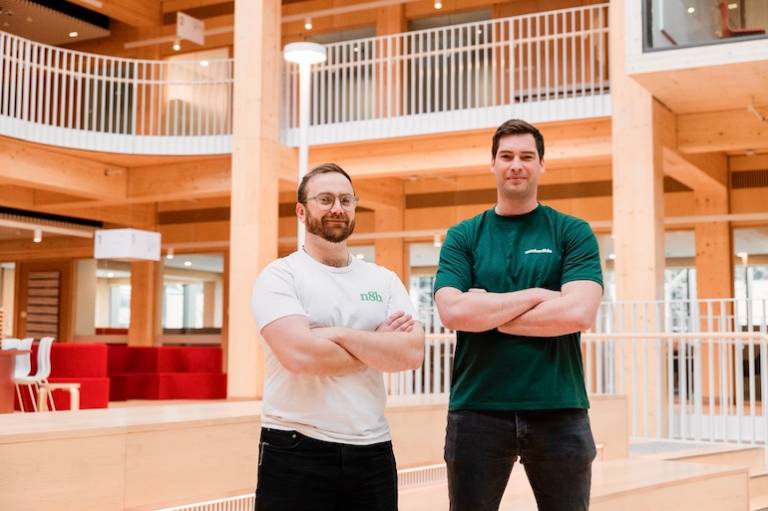
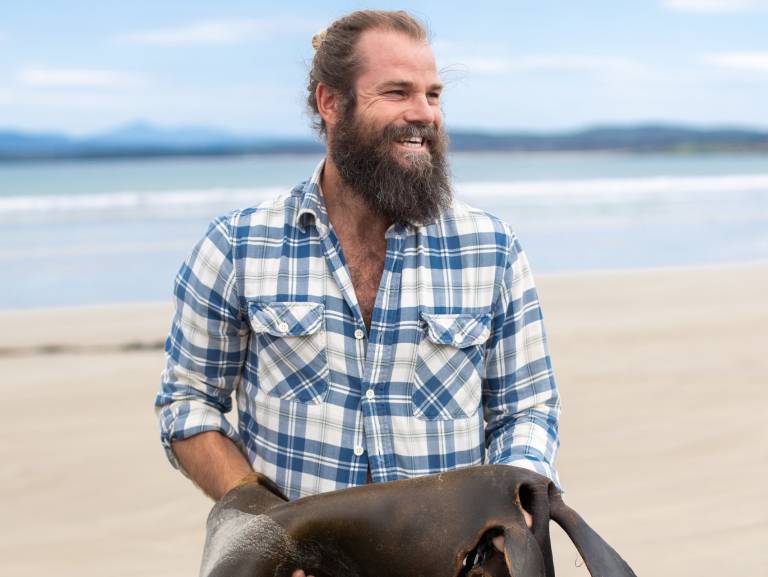
The other three prize winners were:

Simon has been editor of Startup Daily since 2019. He hosted the Startup Daily show on streaming service ausbiz.com.au from 2020 to 2023, and now, the weekly podcast Startup 360. He was previously associate editor of Business Insider Australia, a national restaurant critic, editor of The Good Food Guide, and newspaper proprietor during a 30-plus-years career in journalism and publishing. He’s also an investor in early stage startups.
Comments