


Millennial focused travel startup banks $10 million Series B


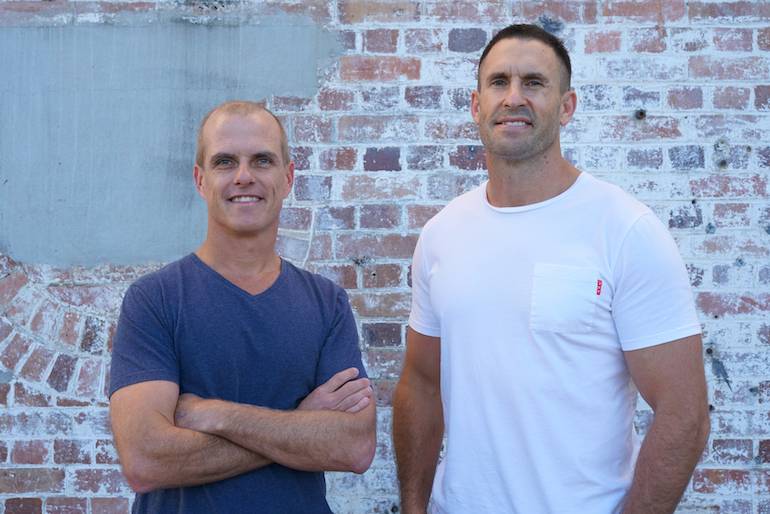

The round was led by Queensland Investment Corporation (QIC) with further investment coming from Paspalis Innovation Investment Fund.
The cash injection will be used to consolidate its position as a leading tour and travel experiences brand for millennials and prepare for pent-up travel post pandemic. Since re-opening post lockdowns and border closures, the company has seen growth of 7x driven by a domestic travel amid signs that inbound international travellers are beginning to return. Pre-covid domestic travel accounted for only 5-10% of Travello’s sales.
Cofounder and CEO Ryan Hanly said they are currently growing at 25% monthly and recorded over 1000% growth in bookings.
“One of our biggest competitors is the pamphlet wall in the lobby or a hotel, so Travello’s digital first play uniquely positions us to capture the growth potential this market offers,” he said.
“Many youth travel brands, including the iconic STA and Student Flights, did not survive covid, so the lack of competitors presents a unique opportunity for Travello to capture market share.
“We acquired Backpacker Deals last year and that was a great move, so this funding will allow us to look at similar acquisitions while also accelerating our growth and expansion into both new regions and categories, like outbound multi-day tours.”
Hanly said the the ‘travel experiencers’ vertical is the biggest opportunity in the market.
“The sector is still very young, conservatively 10-15 years behind flights and accommodation in every aspect,” she said.
“It’s a really immature market and that’s what presents such a great opportunity. For context, around 75% of flights and accommodation are booked online, but only 25% of tours and activities. That’s a very exciting growth opportunity.”
The youth travel market represented around a quarter of visitor arrivals in 2019, yet contributed 40% of total tourism spend, with experiences a key focus.

Simon has been editor of Startup Daily since 2019. He hosted the Startup Daily show on streaming service ausbiz.com.au from 2020 to 2023, and now, the weekly podcast Startup 360. He was previously associate editor of Business Insider Australia, a national restaurant critic, editor of The Good Food Guide, and newspaper proprietor during a 30-plus-years career in journalism and publishing. He’s also an investor in early stage startups.

Comments