Springboard Enterprises (SBE) Australia, an organisation which helps women entrepreneurs become investor-ready, has achieved huge success since its inception in early 2013.
Over the last four years, the organisation has guided over 35 women-led startups to raise above $120 million collectively in funding, having assisted companies including Open Agent, Health Kit, and Flamingo.
The origins behind this flagship organisation for women entrepreneurs, however, extends well beyond this four year period and back into the late 20th century.
For SBE’s founder, Kay Koplovitz, the journey began in the 1970s, where after writing her master thesis in satellite technologies and a stint working for a company in the cable industry, she moved onto founding her first business.
“I actually started in sports television, where we gathered all the contracts in major league sports and worked on bringing them to cable, which eventually became the USA Network,” said Koplovitz.
Following a long period in television, Koplovitz was in 1998 asked by then-President Bill Clinton to chair the National Business Council, a role that involved reporting to Congress on the progress of women in business.
“This didn’t exactly float my boat, because I mostly like to actually physically do something to create and see results. But I saw all this money in venture capital, $104 billion, pouring into the innovation economy. There was so much of it available, yet there were no women there,” she said.
“Less than two percent of this capital was funding women, and even that was only in a couple of companies. There was really no access point, so I said, this is something we can tackle; are there women working with technology that would be raising for companies if they could?”
Unsurprisingly, said Koplovitz, the answer wasn’t that women in the business ecosystem were being denied funding, it was merely just that they didn’t exist.
“That’s why we launched Springboard, to help get women there and to help this disconnect. It was an opening for women to get into the equity funding marketplace, because that’s how their companies will be competitive,” she explained.
Opening applications in 1999, SBE went on to make its debut with its first US demo day in 2000. Hoping to get at least 10 applications from women-led companies, Koplovitz said the organisation ended up receiving over 350 in that first year alone.
“I knew right then it was a vastly underfunded and potentially low performing marketplace,” she said.
Marking a start to turn the tides for women in technology, the first SBE event went onto be a massive success, with 22 out of the 26 participating startups earning funding, two merging their businesses and another being acquired.
This event, for Koplovitz, was both a “wow” moment and a clear indication to continue to move forward.
Bringing the initiative to Australia, however, wasn’t exactly straightforward, as Koplovitz explained that Australia’s low venture capital marketplace meant it was “very challenging” for female entrepreneurs and female-led companies to raise capital and grow – hence the long waiting period between SBE’s US launch in 1999 and its official expansion to Australia in 2013.
“We had our own venture capital marketplace that we used to connect the Australian companies into our global network,” explained Koplovitz.
As of the end of last year, the organisation has put through a total of 642 women-led global startups through its guided program, with these raising a collective US$7.5 billion.
In Australia, 70 percent of participating startups have been able to raise funding post-SBE, with 33 percent having successfully expanded internationally.
As the organisation looks to grow its influence, Koplovitz believes there are a whole host of other elements, particularly government, that can impact women in the entrepreneurial sphere.
Looking at the new Trump Government in US, the SBE founder believes there are a number of positives the administration could bring for women in banking, financial and other corporate industries thanks to new regulations in the pipeline.
For women looking to enter the “innovation economy”, however, Koplovitz said the impact of the new government is looking negative.
“The budget cuts are going to be on the social programs side, so cuts to funding for Planned Parenthood, it’s going to be harmful to women. Things such as cuts to families and women’s’ ability to get back to work, it’s all potentially harmful,” she said.
When it comes to what governments can do to support women entrepreneurs, Koplovitz said much of the answer lies with strong social policy.
“Women are still largely responsible for children and still carry the majority of responsibility for these other factors of life, so any policy that helps women navigate these challenges would be helpful,” she said.
“I also think government can have policies pertaining to diversity. Movement and financial support for women is going to endeavour either way, so either way I think we continue and push on.”
To reflect a diverse landscape, Koplovitz said she would also like to see a lot more women investing; women make up just around 30 percent of today’s investment landscape, an increase from the “one percent of early stage investors” Koplovitz saw in the late 90s, but this needs to increase.
Reflecting back on SBE’s years of success and her journey towards running a successful business in what was a densely male-dominated industry, Koplovitz had this to say: “I’m not reluctant to go out into the unknown and capture a section of the marketplace. People have since asked me over the years how to become a CEO, and I say to them, you should start there.”
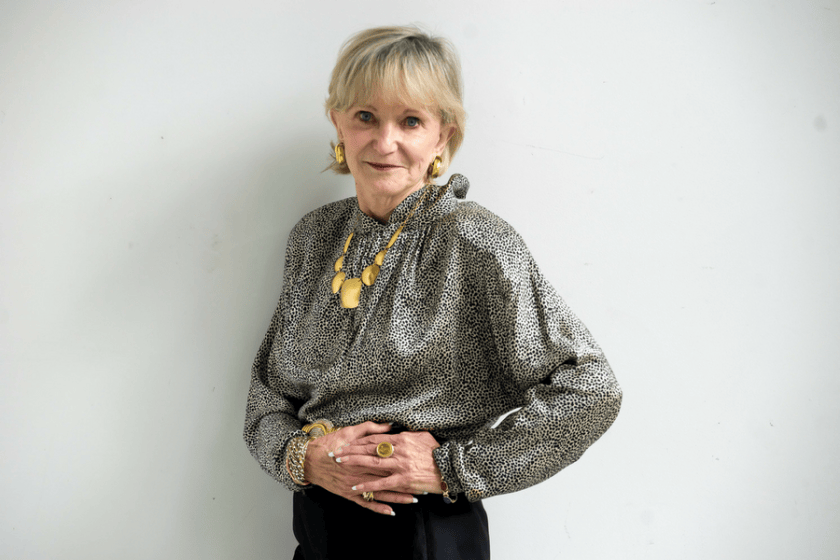
Image: Kay Koplovitz. Source: Supplied.







Comments